Company Update from our MD

912 Stanley Street E, East Brisbane Qld 4169


07 3899 3873 | szabohealthcare.com.au


Company Update from the Managing Director
April 2026 (2-minute read)

Hi everyone,

Since 2018 and under the stewardship of our Group CEO Emma Hocking, we have proudly built and managed one of Queensland’s leading Specialist Disability Accommodation portfolios — 120 High Physical Support homes, supported by 65 dedicated SIL providers delivering 24/7 care to well over 200 high-care residents.

Our team remains 100% committed to delivering class-leading housing and support for vulnerable NDIS participants and will continue to do so as strongly as ever.

Today we are excited to announce the official launch of Szabo Health Care Group — the new parent entity that will oversee our growing ecosystem of supported living brands. You can visit the new group website here: www.szabohealthcare.com.au

From late April 2026 we are also launching a major new chapter under this umbrella.

Australia needs 10,000 new aged care beds every year — yet staggeringly only around 500 are being built.

178,600 Australians are already living with advanced Level 6–7 dementia requiring 24/7 specialist care. In Queensland alone, there are 85,200 people with dementia, with 34,080 at Level 6–7 high-needs, but only 1,200–1,500 specialist dementia beds available — leaving a shortfall of 3,100–3,400 beds annually. Approximately 54% of all people living in residential aged care have dementia.

Aged care accommodation supply is still dominated by large institutional facilities averaging 85 beds (many 100–150 beds), or dementia wings of 20–40 beds inside bigger facilities. During our dementia focus groups and from Donna and my own personal experiences, it’s clear that institutions are not the right fit for many loved ones looking for appropriate aged care accommodation.

Following 12 months of in-depth dementia sector focus groups, support from Dementia Australia and family consultations, we are now releasing what we believe is the first new generation of purpose-designed Memory Care SDA Smart Homes — specifically built for Level 6–7 dementia respite and long-term care.

We will be one of the very few organisations in Australia delivering true specialist small-cottage dementia accommodation in a gender-specific residential setting with care available under both the NDIS and aged care frameworks.

Becoming a registered Aged Care Provider in addition to our established role as an NDIS SDA Housing Provider is not a diversion from our NDIS work — it is a natural extension of it. Our existing landlords and those with high physical support NDIS homes currently under construction will benefit significantly as we grow our ecosystem, increase tenant matching capability, and create new high-care placement opportunities across both disability and dementia.

Leaders lead.

We are proud to be at the forefront of both the NDIS high-care housing sector and now the critically under-served Specialist Dementia Accommodation (SDA) space.
You can visit our website for Dementia Care and Accommodation Australia here: www.dcaa.com.au

More details on the official SDA Smart Homes Memory Care launch will be shared very soon.

To my team and to you, thank you for your continued support and trust.

Dave Beard Managing Director Szabo Health Care Group

Property Direct | SDA Smart Homes | Dementia Care and Accommodation | The Disability Housing Centre | Ariel Care

#SDA #MemoryCare #DementiaCare #LeadersLead

Sources:

  • AIHW Aged Care Data 2025–26
  • Dementia Australia National Dementia Prevalence Report 2025
  • Queensland Health & AIHW State Dementia Statistics 2026

NDIS Overhaul

There has been much talk and reports in the media regarding the government’s planned overhaul of the NDIS following Minister Butler’s speech at the National Press Club on Tuesday.

From The Disability Housing Centre’s point of view, a review and refinement of the NDIS is welcomed and can only help strengthen the system ensuring its longevity.

As Minister Butler said “Australians expect the NDIS to support people with a disability and their families, and to continue to transform their lives” and “if we act now, we can safeguard and strengthen it, so that it serves Australians it was created to help.”

Minister Butler also said that new eligibility rules would be introduced that would likely reduce the amount of NDIS participants by 160,000. While this amount is significant, it’s important to note that there has been no mention of any participants with SDA funding being affected, in fact quite the opposite.

Mr Butler said that making the NDIS sustainable is about returning the scheme to its true purpose which was to “support people with significant and permanent disability” but that “its scope has expanded to cover many Australians with less significant support needs”. 

 This is the Government’s plan to secure the NDIS is a plan with four pillars: 

  • Fighting fraud and stopping rorts
  • Slowing rapid cost increases
  • Clearer eligibility requirements
  • Delivering quality services and support to participants

As Minister Butler said “Australians expect the NDIS to support people with a disability and their families, and to continue to transform their lives.”

We look forward to the overhaul and believe it will help ensure the success of the NDIS for years to come.

Disability Connection Expo 2026

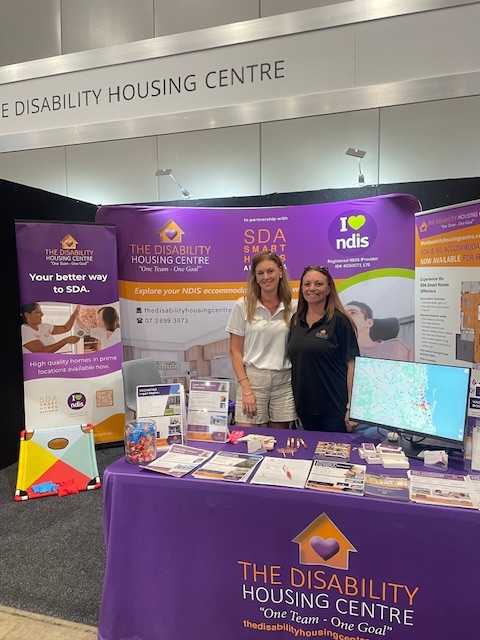
We had a great couple of days at the Disability Connection Expo at the Brisbane Convention and Exhibition Centre last week (13th and 14th March). Our team met lots of new industry professionals and participants having some good conversations around finding the perfect SDA home. As usual the hall was filled with exhibitors from all areas of the disability community and there was plenty of entertainment throughout the two days for attendees. We look forward to working with all those we met to help you find the perfect SDA fit for you.

Improving the lives of young people with disability through SDA

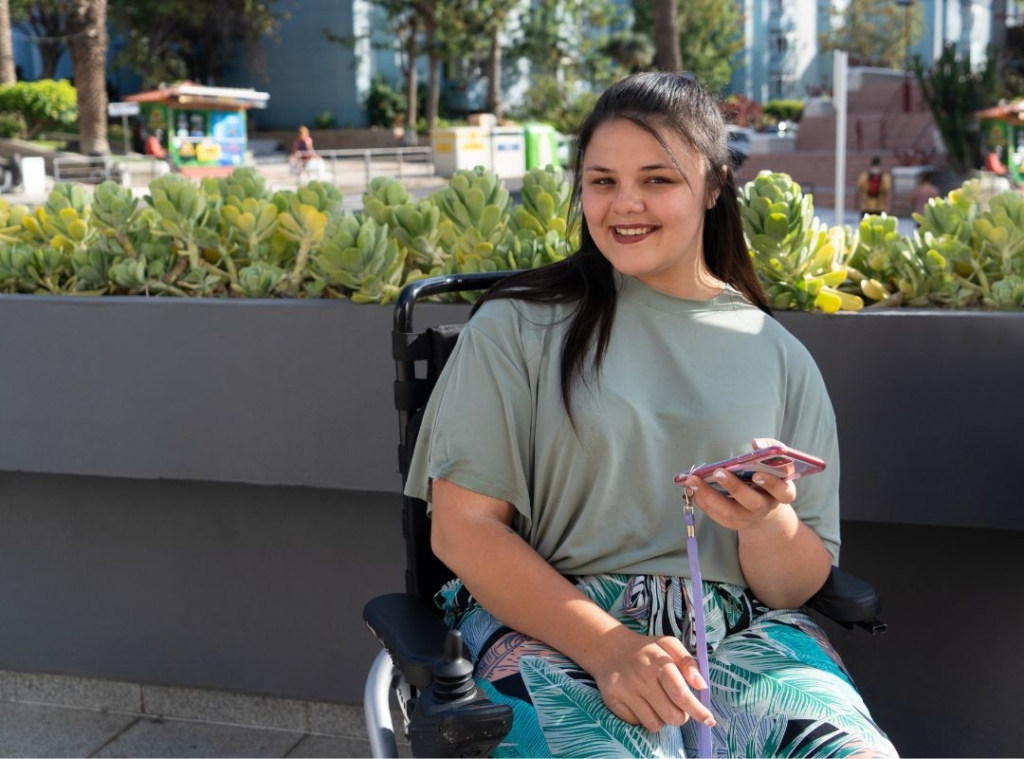
Placing young people with disability in aged-care facilities is widely recognised as poor practice. International human-rights frameworks such as the United Nations Convention on the Rights of Persons with Disabilities emphasise the right to live independently and be included in the community. Best practice therefore focuses on transition pathways that provide appropriate housing, tailored supports, and genuine choice for young people living with disability.

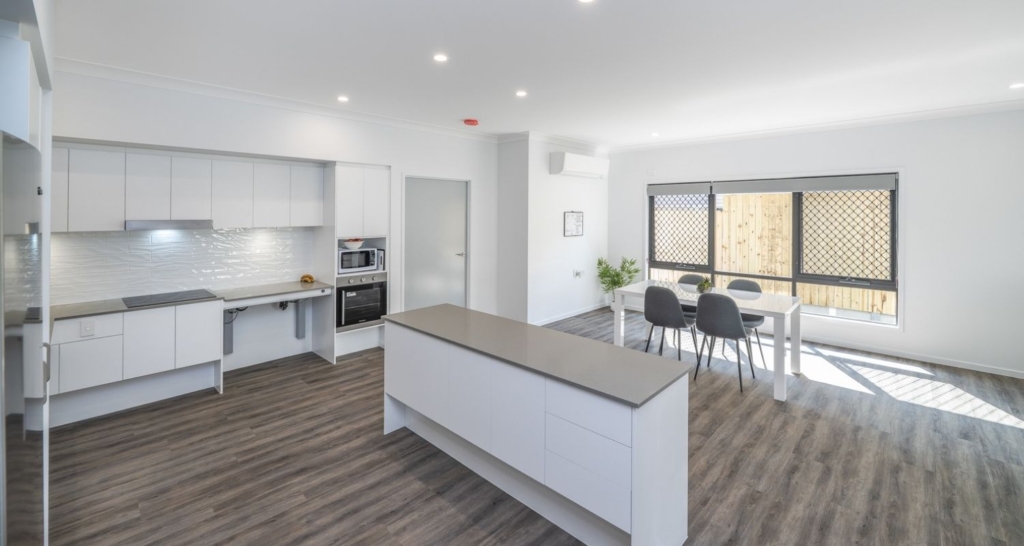
Purpose-built, accessible homes located within the community enable independence while still allowing high levels of support. Australia’s National Disability Insurance Scheme (NDIS) funds Specialist Disability Accommodation (SDA), providing dwellings designed for people with extreme functional impairment or very high support needs.

SDA homes typically feature assistive technology, accessible design, and support staffing models that allow residents to live safely outside institutional settings.

Evidence shows that younger residents who move from aged care into SDA experience improved quality of life, autonomy, and social participation.

Internationally, Sweden offers another strong example of providing appropriate housing for young people living with disability. Following deinstitutionalisation reforms, municipalities developed small, community-based group homes and personal assistance schemes that enable people with complex disability to live independently rather than in nursing homes. These services emphasise autonomy, participation, and integration into everyday neighbourhood life, aligning with UN guidance on community living.

Importantly, best practice requires cross-sector coordination between health, housing, and social-care systems along with sustained funding. Without all three elements, transitions often fail.

Looking at the outcomes of programs and initiatives that have focussed on providing accessible housing solutions for young people with disability, as alternatives to aged care facilities, the evidence is clear: young people with disability thrive when supported to live in accessible community housing with personalised supports. Programs such as Australia’s SDA and Sweden’s municipal group homes demonstrate that moving out of aged care is not only possible but transformative when implemented effectively.


Sources

  • Australian Institute of Health and Welfare — Younger people in residential aged care
  • Royal Commission into Aged Care Quality and Safety — Research papers on younger people in aged care
  • European disability policy literature on community living and deinstitutionalisation (Sweden example)

A closer look at SDA funding

Specialist Disability Accommodation (SDA) funding under Australia’s National Disability Insurance Scheme (NDIS) is reserved for participants with extreme functional impairment or very high support needs. The assessment process is detailed and evidence-based, ensuring SDA is only provided when standard housing options cannot meet a person’s needs.

To be considered, a participant (or their representative) must submit a Housing Solutions report and supporting evidence to the National Disability Insurance Agency (NDIA). This evidence usually includes medical reports, occupational therapy assessments, functional capacity evaluations, and documentation showing why a person’s existing housing is unsafe or unsuitable. Assessors examine how the person’s disability affects mobility, personal care, safety, and independence, as well as whether specialised design features or on-site support is required.

How long does it take?

The timeframe for being assessed for SDA suitability can vary. Gathering assessments can sometimes take several months depending on the availability of allied health professionals. Once reports are submitted to the NDIA, a review typically takes between 4 and 12 weeks, although complex cases may take longer. If approved, SDA funding is added to the participant’s NDIS plan at the next plan review or via a plan variation. Overall, the full process from application to funding can commonly take between 3 to 9 months.

How does SDA funding work?

SDA funding does not provide rent directly for SDA properties. Rather, it funds the specialised dwelling, with tenants contributing a reasonable rent contribution (also referred to as an RRC) and utilities payments from their income.

Recent data from the NDIS indicates roughly 20,000–25,000 Australians have SDA funding. In Queensland specifically, estimates suggest several thousand participants have SDA funding, reflecting the state’s large NDIS population and significant investment in accessible housing supply.

Because SDA approval determines long-term living arrangements, the process is intentionally rigorous. While time-consuming, this careful assessment helps ensure funding is directed to those whose independence, safety, and quality of life depend on purpose-built housing.

SDA providers such as SDA Smart Homes and its tenanting division The Disability Housing Centre are well versed on the process of seeking SDA funding through the NDIS and can help guide participants on their SDA journey. Once in place, the priority is then to match participants to their ideal home – a certified, fully accessible SDA home, one of the 200+ homes in 60+ locations around southeast Queensland.

Flashback – DHC End of Year Celebration

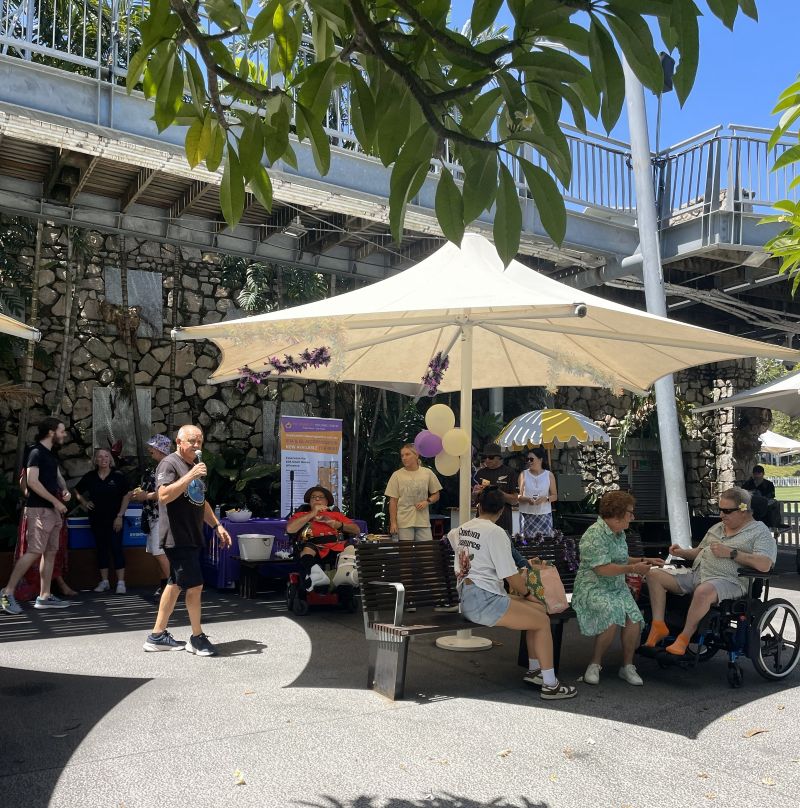
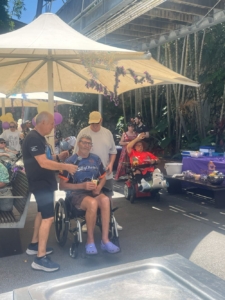
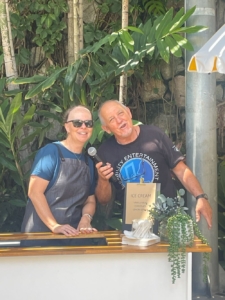
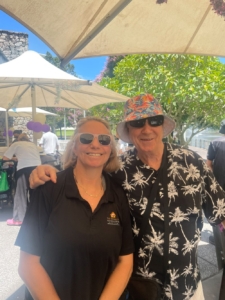
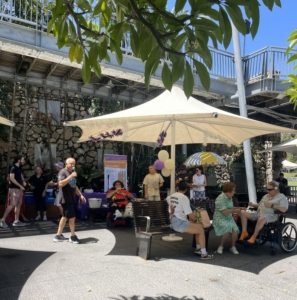
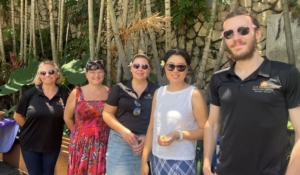
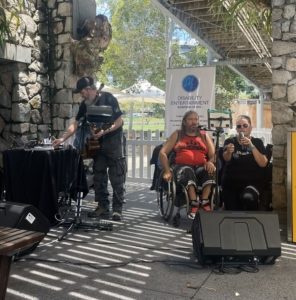
A fantastic end of year celebration

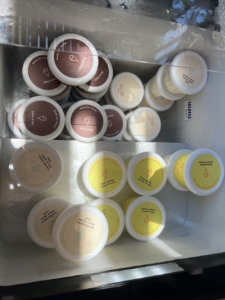
Flashback to the great morning we had celebrating the end of 2025 with our DHC tenants. A big thank you to DEAI (Disability Entertainment Australia Inc.) who provided the musical entertainment on the day. Some of our tenants were even brave enough to show off their singing talents with the DEAI team! It was a super hot day so the ice-creams went down a treat. Thanks to all our wonderful tenants who joined us and we hope you enjoyed the day as much as we did!


A fabulous 2025. An exciting 2026.

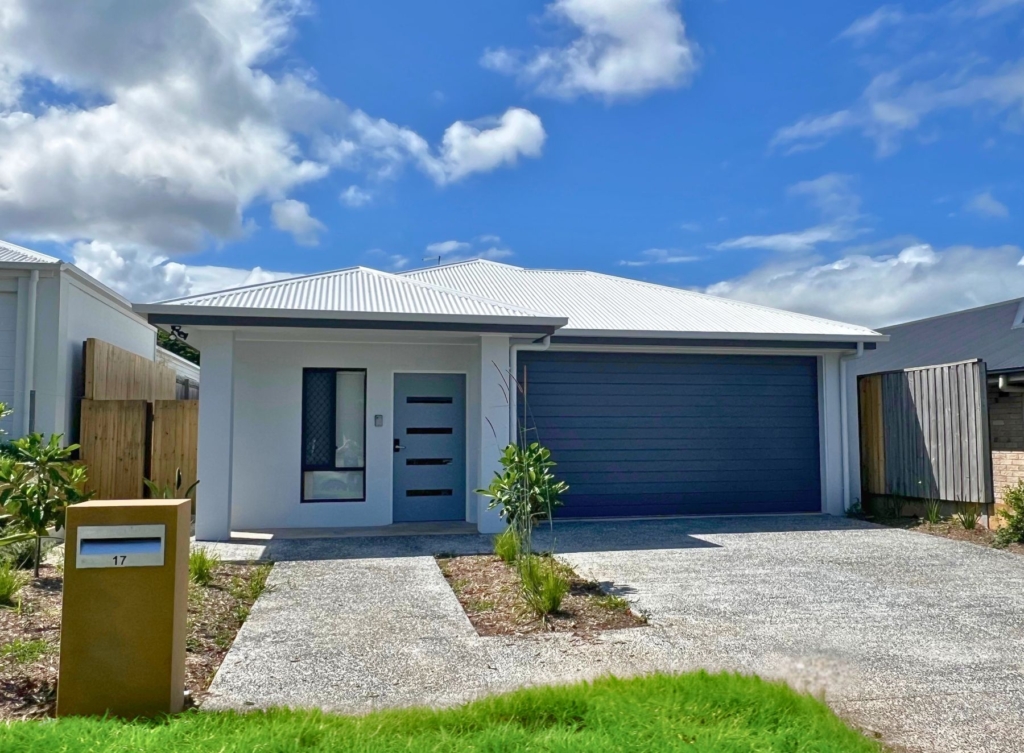
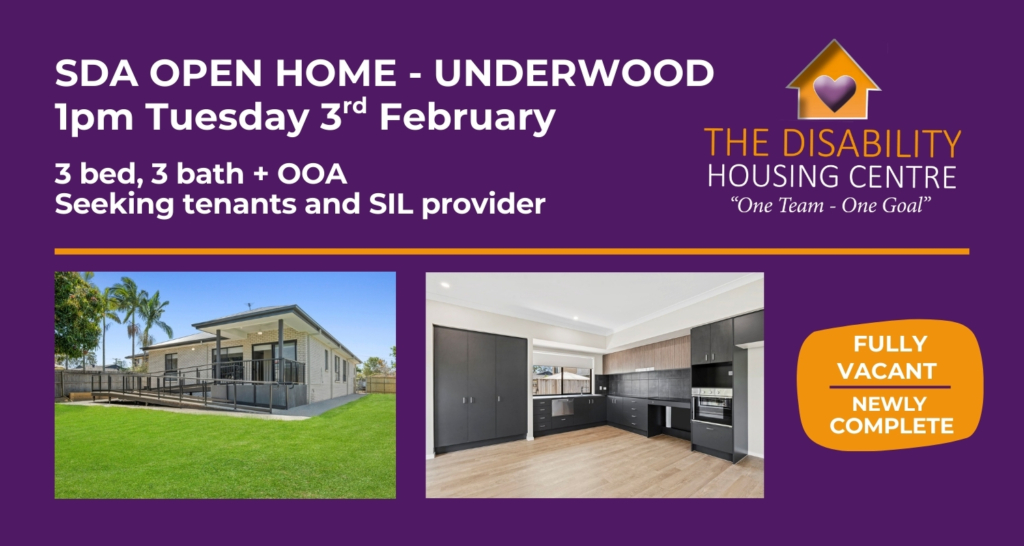
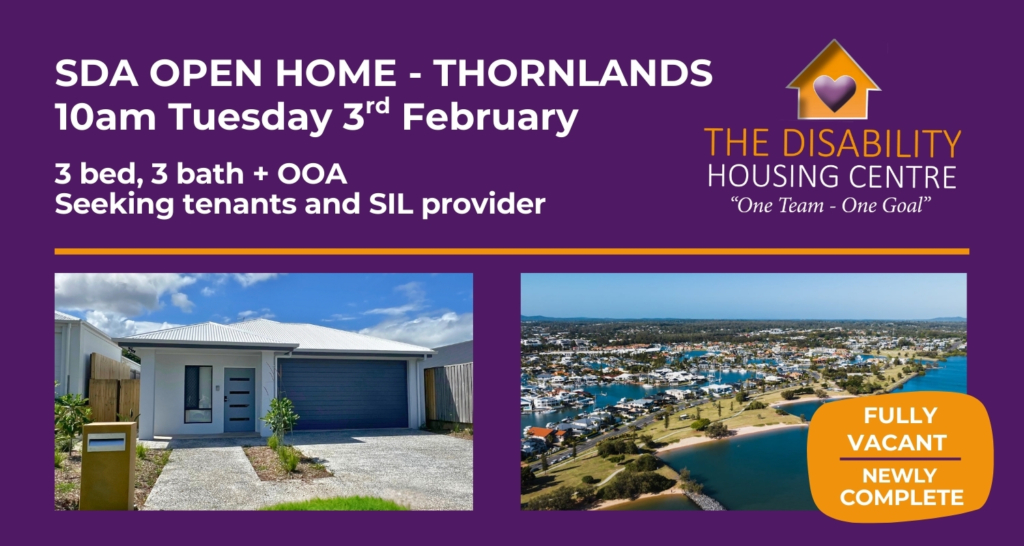
Open Homes Coming Up

Welcome home! Choose your free move in gift.

  • Offer available for 3 months from 1 November 2024 to 31 January 2025 for any residents where a signed letter of offer and tenancy handbook is received
  • Signed lease must be in place during the promotion period and signed prior to tenancy start date
  • Participants can choose from one of the five gift choices provided only
  • No refunds or changes of mind can be granted once the gift has been provided to the tenant
  • The gifts will be delivered to participants as soon as practical after their selection has been made
  • If the gift pictured is not available, a gift as close as possible will be chosen and provided in its place
  • The gifts are for the use of all tenants at the property
  • Should the tenant who received the gift vacate the property, the gift is to stay at the home 
  • Offer not available to MTA/STA participants
  • Participant should already be approved for Improved Liveability, Fully Accessible, or High Physical Support SDA funding
  • Available on participating properties only where property owner has consented to participate
  • Evidence of SDA funding approval must be provided to accommodation manager

For a limited time, we’re offering you one month of rent FREE.

  • Offer available for 3 months from 1 July to 30 September 2024 for any signed letters of offer and tenancy handbooks received during this period
  • Free rent free period of one month (31 days) commences from signed lease start date
  • Signed lease must be in place prior to move in date  
  • Offer not available to MTA/STA participants
  • Participant should already be approved for Improved Liveability, Fully Accessible, or High Physical Support SDA funding
  • Available on participating properties only where property owner has consented to participate
  • Evidence of SDA funding approval must be provided to accommodation manager