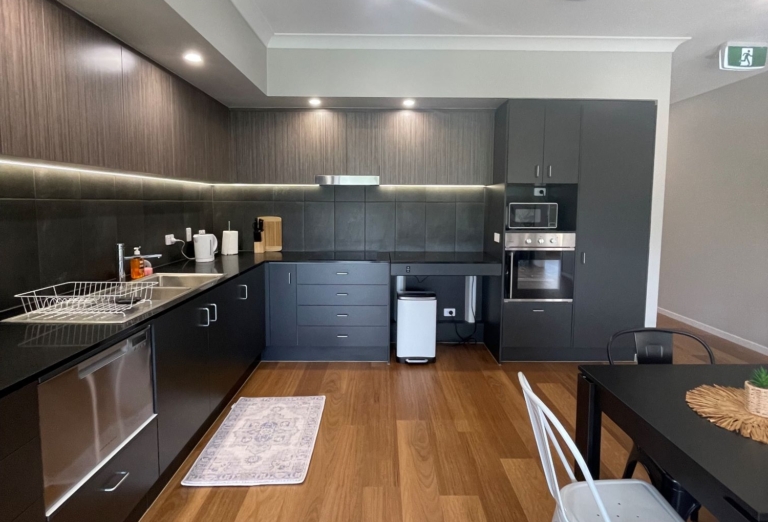
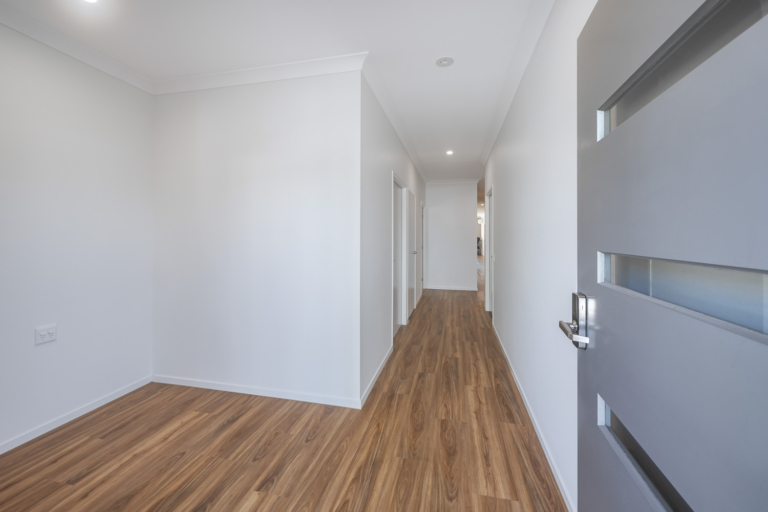
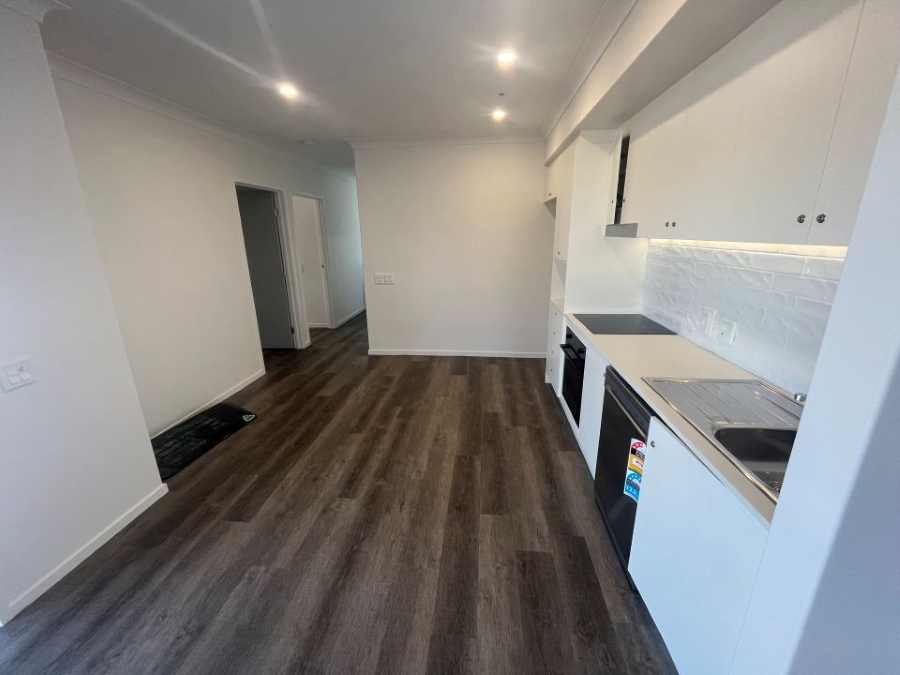
SDA refers to the physical home or property that has accessible features included to allow people with disability to live more independently.
The care provided at the home is separate and usually provided by a Supported Independent Living (SIL) provider.
SDA homes are designed for people with extreme functional impairment or very high needs.
SDA usually involves a shared home with a small number of other people.
Our SDA homes:
Doesn’t need any home modifications
Provides the opportunity for people with high care needs to access permanent, high quality housing in the community
Maximises independence through special features
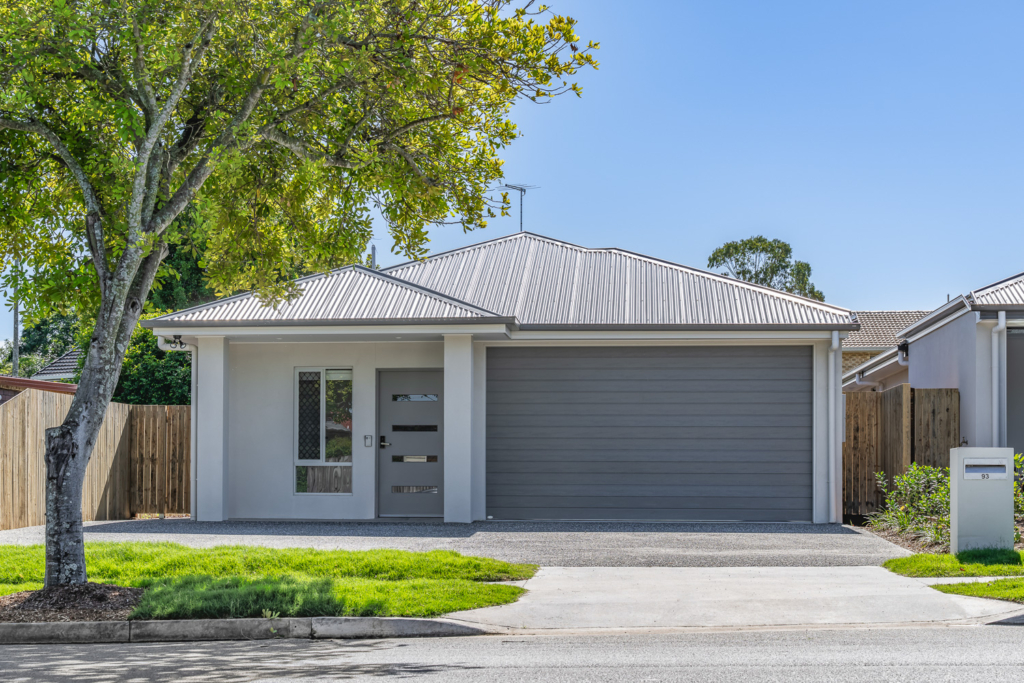
Are integrated with the community, looking like any other home in the street
For homes to be enrolled as Specialist Disability Accommodation with the NDIS, it must meet stringent design criteria and be certified by a registered SDA Certifier.
People with SDA funding in their NDIS plan use their funding to live in SDA homes. This doesn’t include the services or support provided in the home. This support will usually come under personal care supports or other supports and associated funding in participant’s NDIS plans.
All our homes are homes are designed to the High Physical Support SDA design standard, making them suitable for the largest amount of NDIS participants.
Our homes are therefore suitable for tenants with High Physical Support, Fully Accessible and Improved Liveability NDIS SDA funding.
We also have some homes that are built to the Robust design standard and some of our homes will also accept tenants with Appendix H funding.
Appendix H funding is funding designed to allow participants to live with people of their choosing such as family members.
Levels of Specialist Disability Accommodation include:
High Physical Support
High level of physical access provision for people with significant physical impairment and requiring very high levels of support:
External doors and external outdoor private areas are accessible by wheelchair
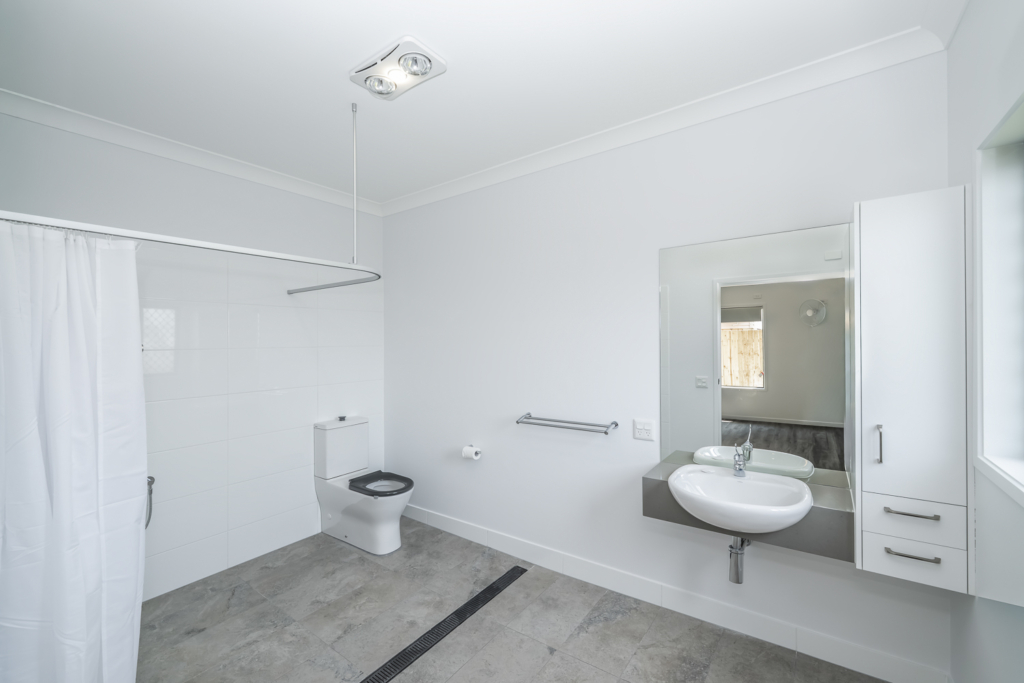
Bathroom vanity/hand basin are accessible in seated or standing position
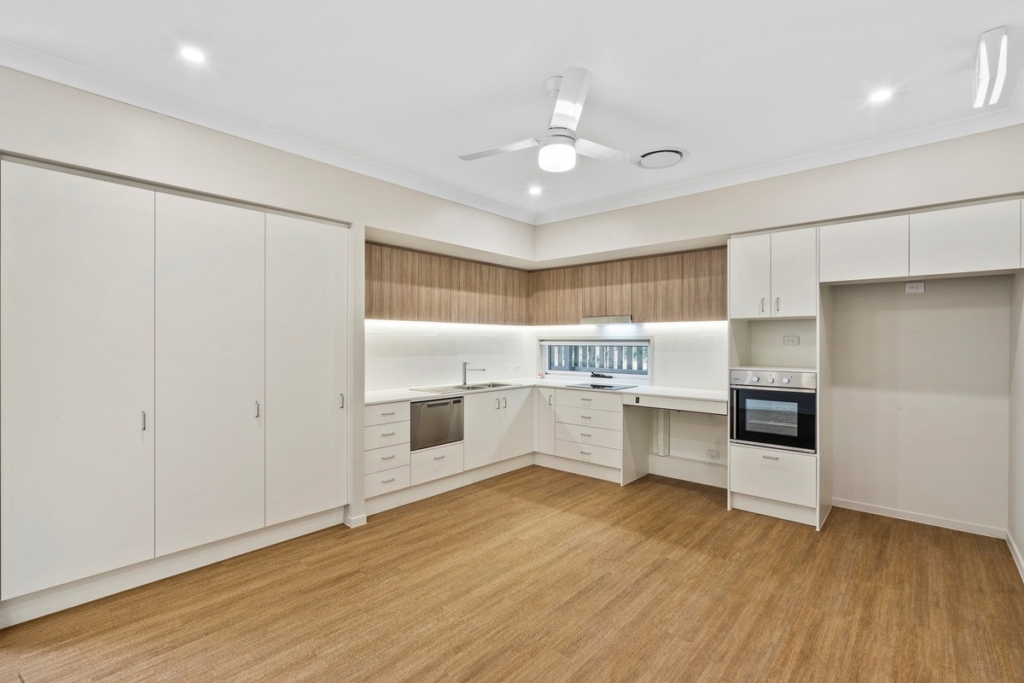
Consideration given to whether kitchen sink, cooktop, and key appliances are accessible in seated or standing position
Structural provision for ceiling hoists
Assistive technology ready
Heating/cooling and household communication technology
Emergency power solutions to cater for a minimum two hour outage where the welfare of participants is at risk
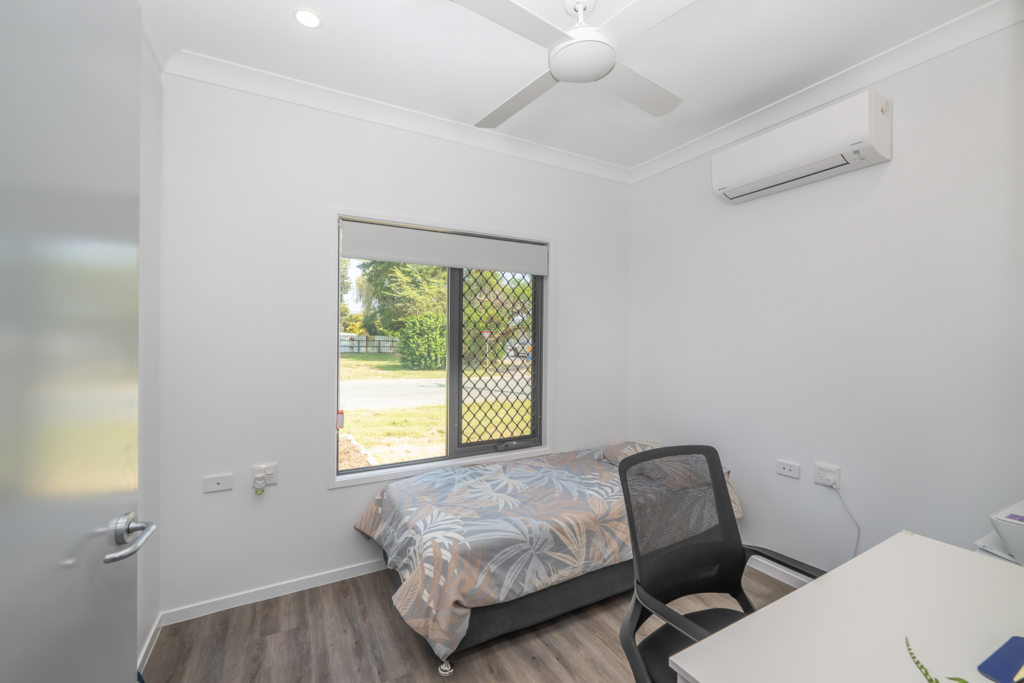
950mm minimum clear opening width doors to all habitable rooms
Fully Accessible
Housing that has been designed to incorporate a high level of physical access provision for people with significant physical impairment:
External doors and external outdoor private areas to be accessible by wheelchair
Bathroom vanity/hand basin to be accessible in seated or standing position
Power supply to doors and windows (blinds), for retrofit of automation as necessary
Consideration for the kitchen sink, cooktop, meal preparation bench area and key appliances to be accessible in seated or standing position
Improved Liveability
This design category requires a ‘reasonable’ level of physical access and enhanced provision for participants with sensory, intellectual or cognitive impairment. Improved liveability design features include:
Lighting, increased luminance contrast
Improved wayfinding & lines of sight
Light-based doorbells and fire alarms
Hearing loops and hearing augmentation
Labelling & use of contextual cues
Consistency in locations of fittings and fixtures
Reduced lighting levels & other stimuli
Robust
Robust homes are designed to incorporate a high level of physical access provision and resilient but inconspicuous materials that can withstand heavy use and minimises the risk of injury and neighbourhood disturbance. Features include:
High impact wall lining, fittings and fixtures, secure windows doors and external areas
Appropriate sound proofing if residents are likely to cause significant noise disturbances
Laminated glass
Layout with areas of egress and retreat for staff and other residents to avoid harm if required
Consideration to providing adequate space and safeguards throughout the property to accommodate the needs of residents with complex behaviours